
signs of a healthy fish versus a sick fish?
**Spotting the Difference: Signs of a Healthy Fish vs. a Sick Fish**

Fish are fascinating and vibrant creatures, bringing a sense of calm and beauty to any aquarium or pond. However, as with any pets, ensuring their well-being requires careful attention. Knowing the signs of a healthy fish versus a sick fish is key to keeping them happy and thriving. Let’s dive into the details!
---
### **Signs of a Healthy Fish**
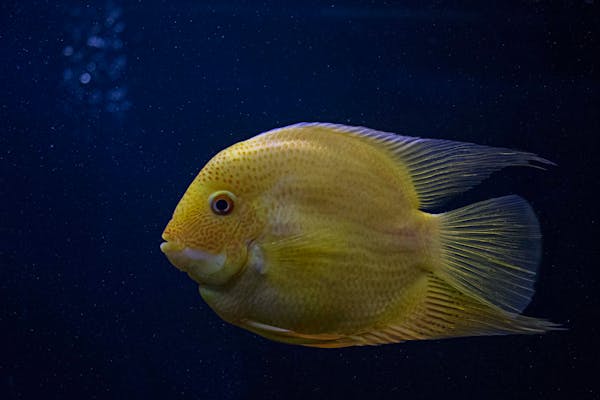
A healthy fish is active, alert, and displays natural behaviors. Here are some common signs that your aquatic friend is in good shape:
1. **Bright and Vibrant Colors**
A healthy fish will exhibit vibrant, consistent coloration. Their scales should appear smooth, shiny, and intact without any patches or discoloration.
2. **Normal Swimming Patterns**
Healthy fish swim with purpose, exploring their environment and interacting naturally with other fish. They won’t appear erratic, sluggish, or overly still.
3. **Clear Eyes**
A fish with clear, bright eyes is likely in good health. Cloudy or bulging eyes can indicate stress or infection.
4. **Appetite**
Healthy fish actively come to feed and eagerly consume their food. A sudden loss of appetite can be an early warning sign of illness.
5. **Smooth Breathing**
Watch their gills: a healthy fish breathes steadily and doesn’t display labored or rapid gill movements.
6. **Clean Fins**
Fins should be intact and upright without tears, fraying, or curling. Damaged fins may signal disease or injury.
---
### **Signs of a Sick Fish**
Illnesses in fish often manifest subtly at first, so it’s vital to monitor them closely. Here are some red flags to watch for:
1. **Dull or Faded Colors**
If your fish’s vibrant coloration starts to fade or they develop white patches, it could indicate stress, poor water quality, or illness.
2. **Erratic Swimming**
Sick fish may dart around the tank, swim in circles, float upside down, or rest at the bottom. These could be signs of infection, swim bladder disease, or other ailments.
3. **Loss of Appetite**
A fish that refuses food over multiple feedings could be sick or stressed.
4. **Rapid or Labored Breathing**
Heavy gill movements, gasping at the surface, or staying near an air pump could mean your fish is struggling to get enough oxygen.
5. **Visible Growths or Spots**
Check for white spots (often a sign of ich), cotton-like patches, lumps, or ulcers. These may indicate fungal or bacterial infections.
6. **Damaged Fins or Scales**
Torn, frayed fins, or missing scales often point to physical injury, poor water conditions, or fin rot.
7. **Lethargy**
A sick fish might spend more time hiding, resting at the bottom, or hovering in one spot.
---
### **What to Do If Your Fish is Sick**
If you notice signs of illness, take action quickly:
- **Check Water Quality**: Poor water conditions are a leading cause of stress and illness in fish. Test for pH, ammonia, nitrite, and nitrate levels.
- **Isolate the Sick Fish**: Quarantine the affected fish to prevent disease from spreading to others.
- **Consult a Specialist**: Reach out to an aquatic veterinarian or knowledgeable pet store staff for advice on treatment.
---
### **Prevention is Key**
Maintaining a healthy environment for your fish is the best way to prevent illness:
- Ensure proper water parameters and filtration.
- Feed a balanced diet in appropriate amounts.
- Avoid overcrowding the tank.
- Perform regular water changes and cleanings.
---
Healthy fish are not only a joy to watch but also a sign of a thriving aquatic habitat. By keeping an eye out for signs of sickness and taking prompt action, you can ensure your underwater friends live long, h appy lives. What’s your favorite type of fish to keep or watch? Let me know!


