
Why is my bird screaming or making loud noises?
**Understanding and Addressing Bird Screaming: A Guide for Bird Owners**
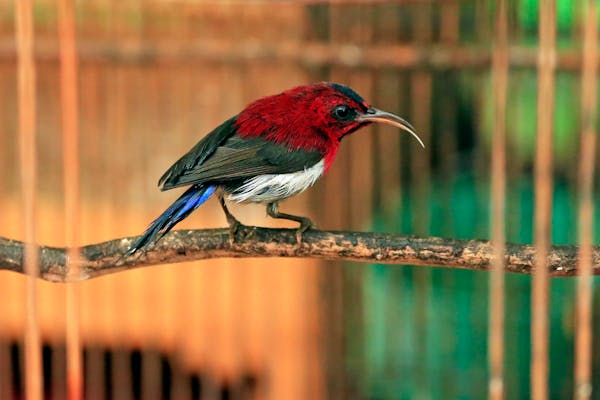
As a bird owner, you may have experienced the joy of hearing your feathered friend chirping and singing. However, there are times when your bird's vocalizations can become excessive, leading to loud screaming and causing concern. Understanding why birds scream and how to address this behavior is crucial for maintaining a happy and peaceful environment for both you and your pet.
### **Why Do Birds Scream?**
Birds are naturally vocal creatures, and their vocalizations serve various purposes in the wild, such as communicating with their flock, warning of danger, or attracting a mate. In a domestic setting, birds may scream for several reasons:
1. **Attention-Seeking**: Birds are social animals and may scream to get your attention, especially if they feel lonely or neglected.
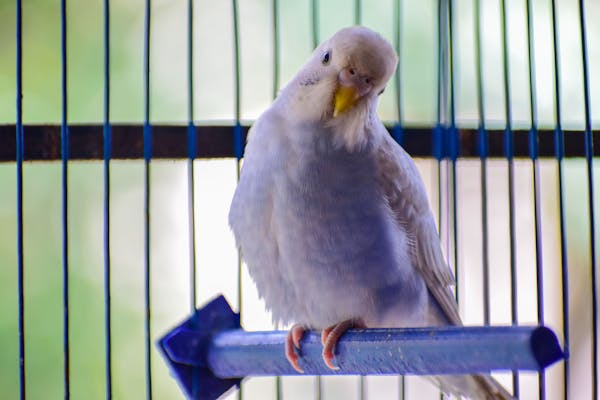
2. **Boredom**: Lack of mental stimulation and physical activity can lead to boredom, causing birds to scream out of frustration.
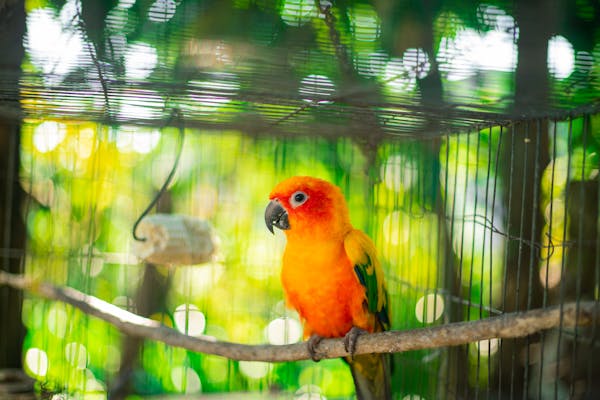
3. **Hunger or Thirst**: Birds may scream if they are hungry or thirsty, especially if their feeding schedule is inconsistent.
4. **Environmental Changes**: Changes in their environment, such as a new cage, new pets, or unfamiliar people, can cause stress and lead to screaming.
5. **Health Issues**: Pain or discomfort due to illness or injury can cause birds to vocalize loudly.
### **How to Address Bird Screaming**
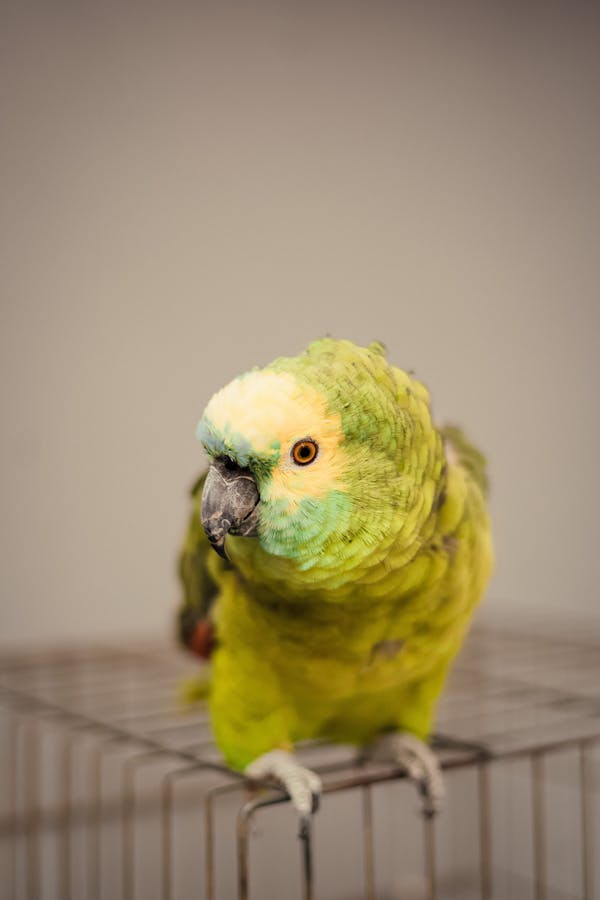
To address and reduce excessive screaming in birds, it's essential to identify the underlying cause and implement appropriate strategies:
1. **Provide Attention and Interaction**: Spend quality time with your bird daily, engaging in activities like talking, playing, and training. This helps fulfill their social needs and reduces attention-seeking behavior.
2. **Enrich Their Environment**: Provide a variety of toys, perches, and foraging activities to keep your bird mentally and physically stimulated. Rotate toys regularly to maintain their interest.
3. **Establish a Routine**: Maintain a consistent feeding and sleep schedule to help your bird feel secure and reduce anxiety-related screaming.
4. **Create a Calm Environment**: Minimize sudden changes and loud noises in your bird's environment. Provide a safe, quiet space for them to retreat to if they feel stressed.
5. **Positive Reinforcement**: Use positive reinforcement techniques to encourage desired behavior. Reward your bird with treats and praise when they are quiet and calm.
6. **Address Health Concerns**: If you suspect that your bird's screaming is due to health issues, consult an avian veterinarian for a thorough examination and appropriate treatment.
Finally Understanding why your bird screams and implementing effective strategies to address this behavior is key to ensuring a harmonious relationship with your feathered friend. With patience, consistency, and a focus on meeting their needs, you can help your bird become a happier and quieter companion.


