
How do you set up a new fish tank for your fish?
The Ultimate Guide to Setting Up Your New Fish Tank
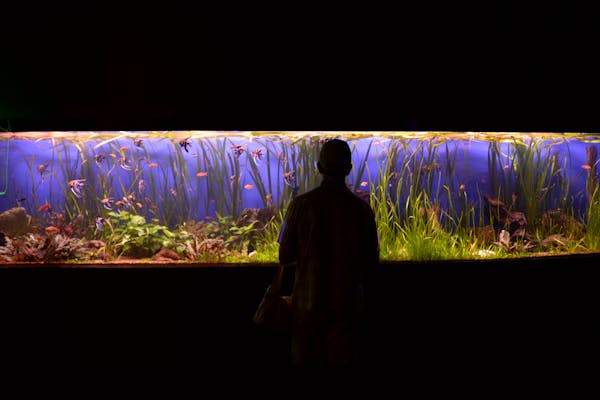
Welcome to the wonderful world of fishkeeping! Setting up a new fish tank can be an exciting and rewarding experience. Whether you're a beginner or an experienced aquarist, following these steps will help ensure a healthy and happy environment for your fish. Let's dive in!
Choosing the Right Tank

The first step is to choose the right tank size and shape for your fish. Consider the following factors:
- **Size**: Larger tanks are generally easier to maintain and provide a more stable environment. A 20-gallon tank is a good starting point for beginners.
- **Material**: Glass and acrylic tanks are the most common. Glass tanks are more scratch-resistant, while acrylic tanks are lighter and more durable.
- **Location**: Place your tank in a quiet, stable location away from direct sunlight and temperature fluctuations.
Click here to see a recommended tank.
Gathering Essential Equipment
Once you have your tank, you'll need to gather the essential equipment:
- **Filter**: A good filter helps keep the water clean and provides a healthy environment for your fish. Choose a filter suitable for the size of your tank.
- **Heater**: If you're fish, a heater is necessary to maintain a stable water temperature.
- **Lighting**: Proper lighting is important for both fish and plants. LED lights are energy-efficient and provide the necessary spectrum for aquatic life
- **Substrate**: Gravel or sand is used to cover the bottom of the tank. Choose a substrate that is safe for your fish and plants.
- **Decorations and Plants**: Adding decorations and live plants not only enhances the tank's appearance but also provides hiding spots and improves water quality.
### Setting Up Your Tank
Now that you have all the equipment, it's time to set up your tank:
1. **Clean the Tank**: Rinse the tank with water to remove any dust or debris. Do not use soap or chemicals.
2. **Add Substrate**: Rinse the substrate thoroughly and add it to the tank, creating a gentle slope from the back to the front.
3. **Install Equipment**: Place the filter, heater, and thermometer in the tank. Follow the manufacturer's instructions for proper installation.
4. **Add Decorations and Plants**: Arrange your decorations and plants to create a natural and appealing environment.
5. **Fill the Tank with Water**: Use a water conditioner to remove chlorine and other harmful chemicals from tap water. Fill the tank slowly to avoid disturbing the substrate.
### Cycling Your Tank
Before adding fish, it's important to cycle your tank to establish beneficial bacteria that break down harmful ammonia and nitrites. Here's how to do it:
1. **Add a Source of Ammonia**: You can use fish food, pure ammonia, or even a piece of shrimp to introduce ammonia into the tank.
2. **Monitor Water Parameters**: Use a test kit to check ammonia, nitrite, and nitrate levels. The cycling process can take anywhere from 4 to 6 weeks.
3. **Perform Water Changes**: During the cycling process, perform regular water changes to keep ammonia and nitrite levels in check.
### Adding Fish to Your Tank
Once your tank is cycled and water parameters are stable, it's time to add your fish:
1. **Choose Compatible Fish**: Research the specific needs and compatibility of the fish species you want to keep.
2. **Acclimate Your Fish**: Float the sealed bag with your new fish in the tank for about 15-20 minutes to equalize the temperature. Then, slowly add small amounts of tank water to the bag over the next 30 minutes.
3. **Release the Fish**: Gently release the fish into the tank and observe their behavior to ensure they are adjusting well.
### Maintaining Your Tank
Regular maintenance is key to keeping your fish healthy and happy:
- **Feed Your Fish Properly**: Feed your fish a balanced diet and avoid overfeeding.
- **Perform Water Changes**: Regularly change 20-30% of the water to maintain water quality.
- **Monitor Water Parameters**: Test the water regularly to ensure optimal conditions.
- **Clean the Tank**: Clean the tank walls, decorations, and filter media as needed.
Setting up a new fish tank can be a fun and fulfilling hobby. With proper planning and care, you'll create a thriving aquatic environment for your fish to enjoy. Happy fishkeeping!


